Intraoperative decisions happen fast, under uncertainty, with limited support.
Three realities that make intraoperative judgment uniquely difficult.
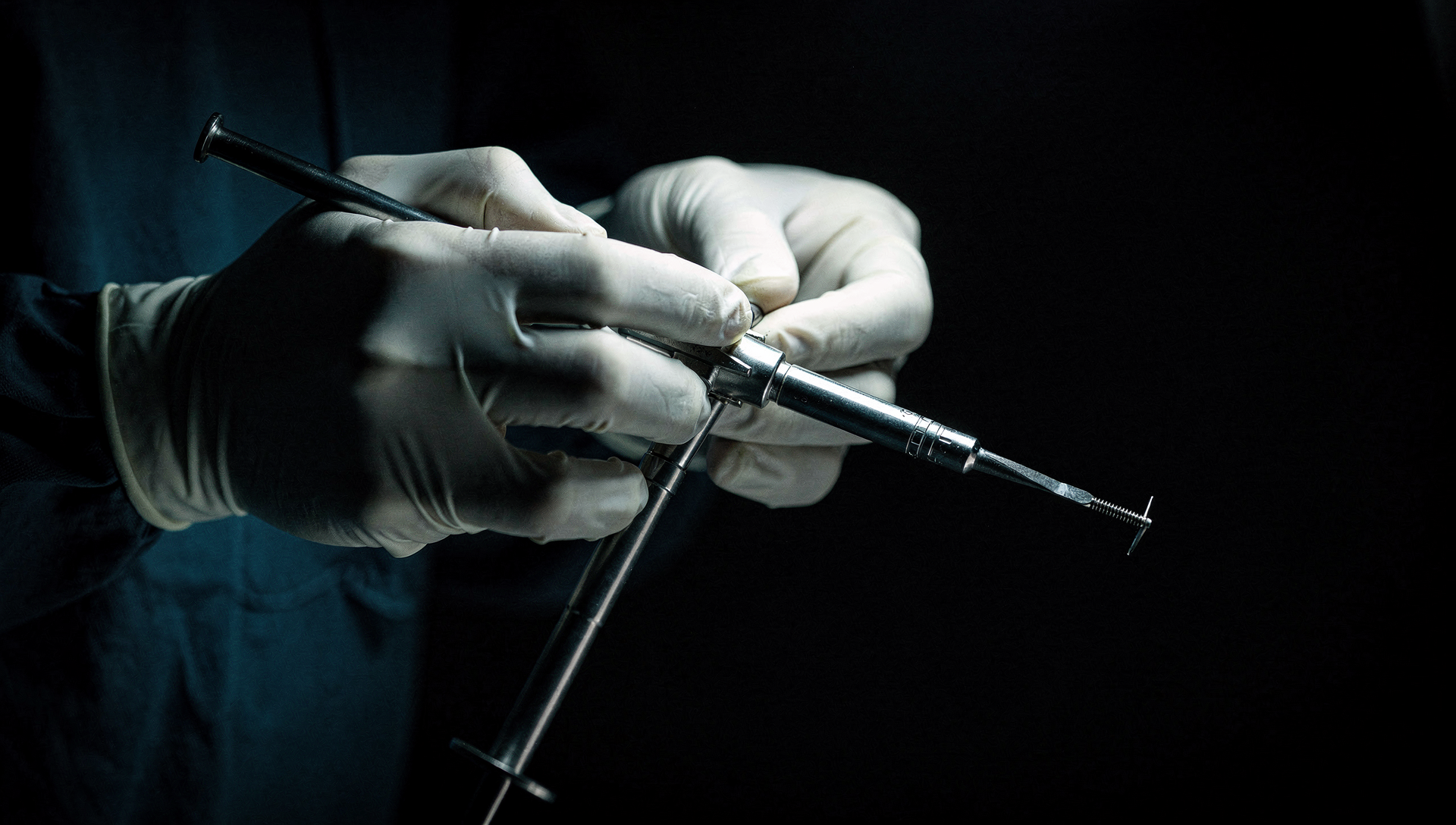
Anatomy doesn't label itself — or tell you what to do when it's ambiguous
Surgery is cognitively loaded, time-critical, and visually ambiguous. Surgeons rely heavily on vision to make critical decisions in real time. Expert judgment in these moments depends on pattern recognition, attention control, and calibration under uncertainty.
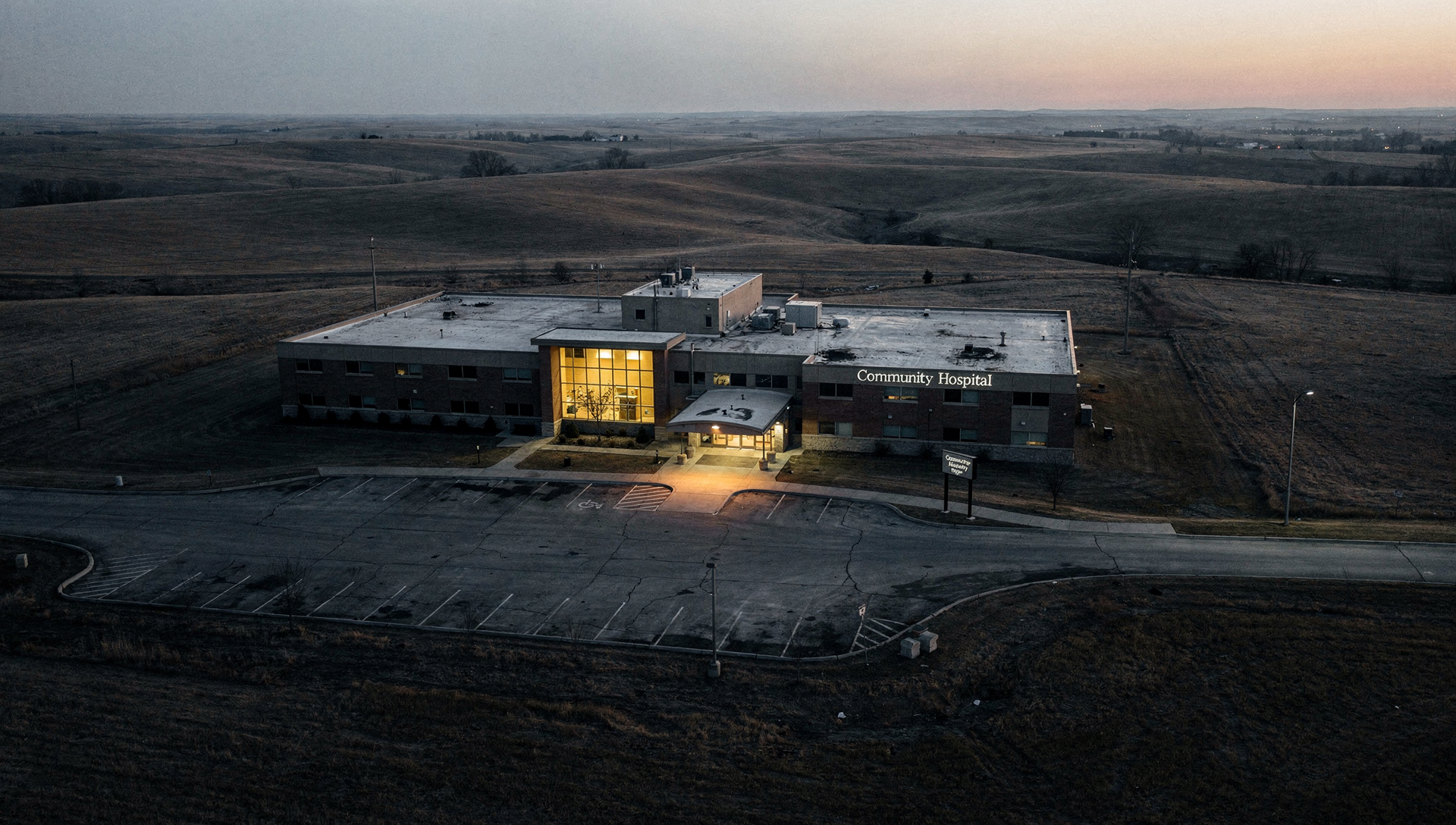
Most surgeons operate without a second pair of eyes
Not every OR has a trusted surgical partner standing by. Surgeons outside major centers face complex anatomy and rare complications alone. Telepresence helps, but no expert can cover every case.

Complications are costly and liability is real
With 14.5% of surgeries resulting in complications, the downstream costs are staggering—readmissions, extended hospital stays, and medical liability claims add up to over $120 billion annually. These aren't just financial burdens; they drive defensive medicine and shape how surgeons practice.
Not just "what's on the screen."
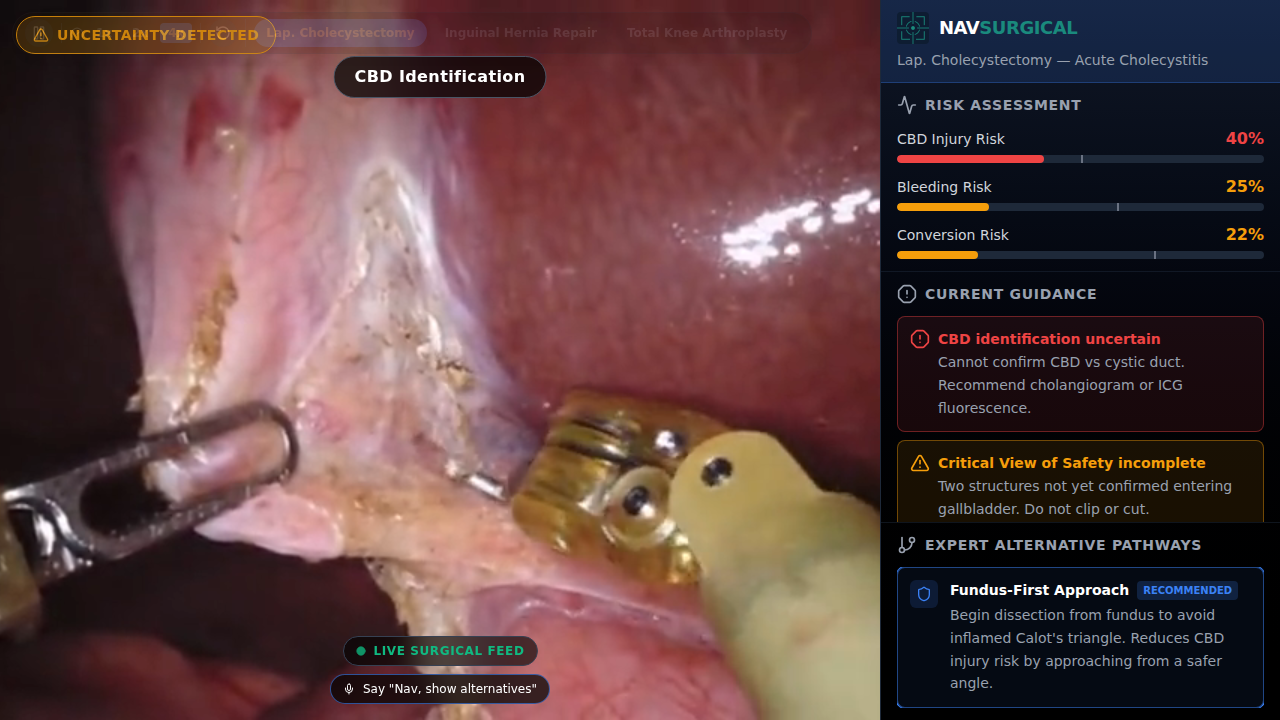
NAVSurgical anticipates decision-making and reinforces clinical reasoning — designed to engage practitioners rather than replace their judgment, mitigating the deskilling risk common with AI in healthcare.
Identify instruments, detect anatomy, label surgical phases, capture and annotate video for post-case review and benchmarking.
Understand context. Surface rising risk. Frame options. Support the surgeon's situational awareness in the moment it matters—while the case is live.

We surface signals and options; surgeons decide.
We show confidence and uncertainty.
We are designed to reduce automation bias.
Staged maturity. Earned trust.
Contextual Capture
Structured timeline and key-moments documentation of operative flow. Familiar territory for hospitals adopting new OR technology.
Risk Surfacing
Early-warning signals when the case trajectory diverges from expected patterns. Deviation detection with calibrated confidence.
Option Framing
Suggested tactics under strict guardrails. Calibrated confidence display. The system shows what it doesn't know.
Built by the people who understand the problem.

Vik Anantha
Former VP of Digital Products at Intuitive Surgical (da Vinci robot) and Chief Product & Technology Officer at Caresyntax (Surgical AI). Deep experience in surgical technology commercialization, go-to-market strategy, and the institutional sales cycles that govern OR technology adoption.

Morteza Meftah, MD
Clinical Associate Professor of Orthopaedic Surgery at NYU Grossman School of Medicine and Co-Director of Robotic and Computer-Assisted Joint Replacement Surgery at NYU Langone Health. His practice and research focus on complex primary and revision total hip and knee replacements, robotic-assisted procedures, and opioid-sparing pathways. He holds three patents and multiple instrument designs in joint replacement surgery.

Bruce Ramshaw, MD, FACS
Chief Medical Informatics Officer at Caresyntax and a surgeon-scientist applying systems science and data analytics to improve surgical quality. A former Professor and Chair of Surgery at the University of Tennessee and past President of the Americas Hernia Society, he has delivered 400+ invited presentations, authored 100+ peer-reviewed publications, and holds 4 patents.
Courtney Green, MD, MAEd, FACS
Surgeon, educator, and published researcher whose work spans perceptual expertise in robotic surgery, digital surgery, and surgical education. She completed her surgical training at UCSF and has published peer-reviewed research on robotic surgery training and operative decision-making.